I wanted to set up a tea room and the good news is that is exactly what I have done.
You may have spotted a small gap in my blog story telling with my last post being published on Tuesday 27th March 2012. That post heralded the news that following two years of planning, 44 blog posts and around 5500 tweets my dream of running a tea room was finally realised.
My abrupt silence was a deliberate and direct reflection of how all consuming setting up a business is. I will try to write about the experience now that I have some perspective. At various points over the past weeks of radio silence I have toyed with writing to you to explain, narrate and share my thoughts, feelings and adventures. My instincts told me to leave it, to experience it, so that I remember it and then share to it and so here we are.
You may have been part of the experience in real time, visiting the tea rooms in person. For that I can only thank you all. There has been no greater pleasure than meeting someone who connected to my story online and then made the effort to come in and say hello. Would we ever have met otherwise?
Here are some facts...
Since opening the doors in late March we have served over 15kg of Pettigrew Breakfast Tea, 800 toasted tea cakes, over 40 Victoria Sandwiches, 500 sandwiches, 4500 shots of fine Welsh roasted coffee, nearly 3000 scones and made countless new friends many of which I am delighted to say have become regulars!
Today my catch up will bring you how we went about taking on the West Lodge and translating all that planning into a living operating commercial tea room; to wake from my dream so to speak.
I need you to know that it has been incredibly tough but indescribably rewarding.
Decision Making
I had confirmation that I was the preferred operator for the tea room at West Lodge in late January this year and from that time on it was a race against the clock to turn all my procrastinating into a brilliant business that I was visualising.
One of the mutually agreed terms of my tenancy was to ensure that the tea rooms were open in time for the RHS Flower Show Cardiff on the weekend of Friday the 20th April. RHS attracts around 22,000 visitors to Bute Park each year and if anything would be a test for the tea rooms, then this would be it. From all of my research and speaking to other small business start ups, giving yourself time to test out your operation is key.
The builders gave us a get in date of the 9th March with a full handover of the building on Tuesday 20th March. With the RHS weekend less than four weeks from the handover date, I knew that the fit out would have to be quick and so I picked the date of Friday 30th March as our grand opening with a soft opening from the Monday before.
Her are some pictures which speak for themselves really, enjoy!
Fit Out Schedule
Monday 9th March - Kitchen Build

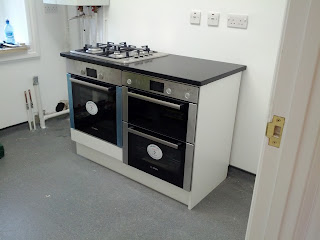
Friday 13th March - Still Room Build

Tuesday 19th March - Tea Room Fit Out


Saturday 24th March - Tea Room Dressing


Tuesday 27th March - Staff Induction and Soft Opening


Friday 30th March - GRAND OPENING


On the morning of Friday 30th March 2012, I was busy setting out the outside seating on our beautiful terrace and a random runner came past and shouted "Bake Free Brother!".
This was one of the most moving things during the opening. I still don't know who that was but thank you, it was brilliant. The good news is, I feel free... I am free.
Come in soon and say hello.
More photos and story to follow soon.
David & team
You may have spotted a small gap in my blog story telling with my last post being published on Tuesday 27th March 2012. That post heralded the news that following two years of planning, 44 blog posts and around 5500 tweets my dream of running a tea room was finally realised.
My abrupt silence was a deliberate and direct reflection of how all consuming setting up a business is. I will try to write about the experience now that I have some perspective. At various points over the past weeks of radio silence I have toyed with writing to you to explain, narrate and share my thoughts, feelings and adventures. My instincts told me to leave it, to experience it, so that I remember it and then share to it and so here we are.
You may have been part of the experience in real time, visiting the tea rooms in person. For that I can only thank you all. There has been no greater pleasure than meeting someone who connected to my story online and then made the effort to come in and say hello. Would we ever have met otherwise?
Here are some facts...
Since opening the doors in late March we have served over 15kg of Pettigrew Breakfast Tea, 800 toasted tea cakes, over 40 Victoria Sandwiches, 500 sandwiches, 4500 shots of fine Welsh roasted coffee, nearly 3000 scones and made countless new friends many of which I am delighted to say have become regulars!
Today my catch up will bring you how we went about taking on the West Lodge and translating all that planning into a living operating commercial tea room; to wake from my dream so to speak.
I need you to know that it has been incredibly tough but indescribably rewarding.
 |
| The 'Tea Room' in storage in my house |
Decision Making
I had confirmation that I was the preferred operator for the tea room at West Lodge in late January this year and from that time on it was a race against the clock to turn all my procrastinating into a brilliant business that I was visualising.
One of the mutually agreed terms of my tenancy was to ensure that the tea rooms were open in time for the RHS Flower Show Cardiff on the weekend of Friday the 20th April. RHS attracts around 22,000 visitors to Bute Park each year and if anything would be a test for the tea rooms, then this would be it. From all of my research and speaking to other small business start ups, giving yourself time to test out your operation is key.
The builders gave us a get in date of the 9th March with a full handover of the building on Tuesday 20th March. With the RHS weekend less than four weeks from the handover date, I knew that the fit out would have to be quick and so I picked the date of Friday 30th March as our grand opening with a soft opening from the Monday before.
Her are some pictures which speak for themselves really, enjoy!
Fit Out Schedule
Monday 9th March - Kitchen Build


Friday 13th March - Still Room Build

Tuesday 19th March - Tea Room Fit Out

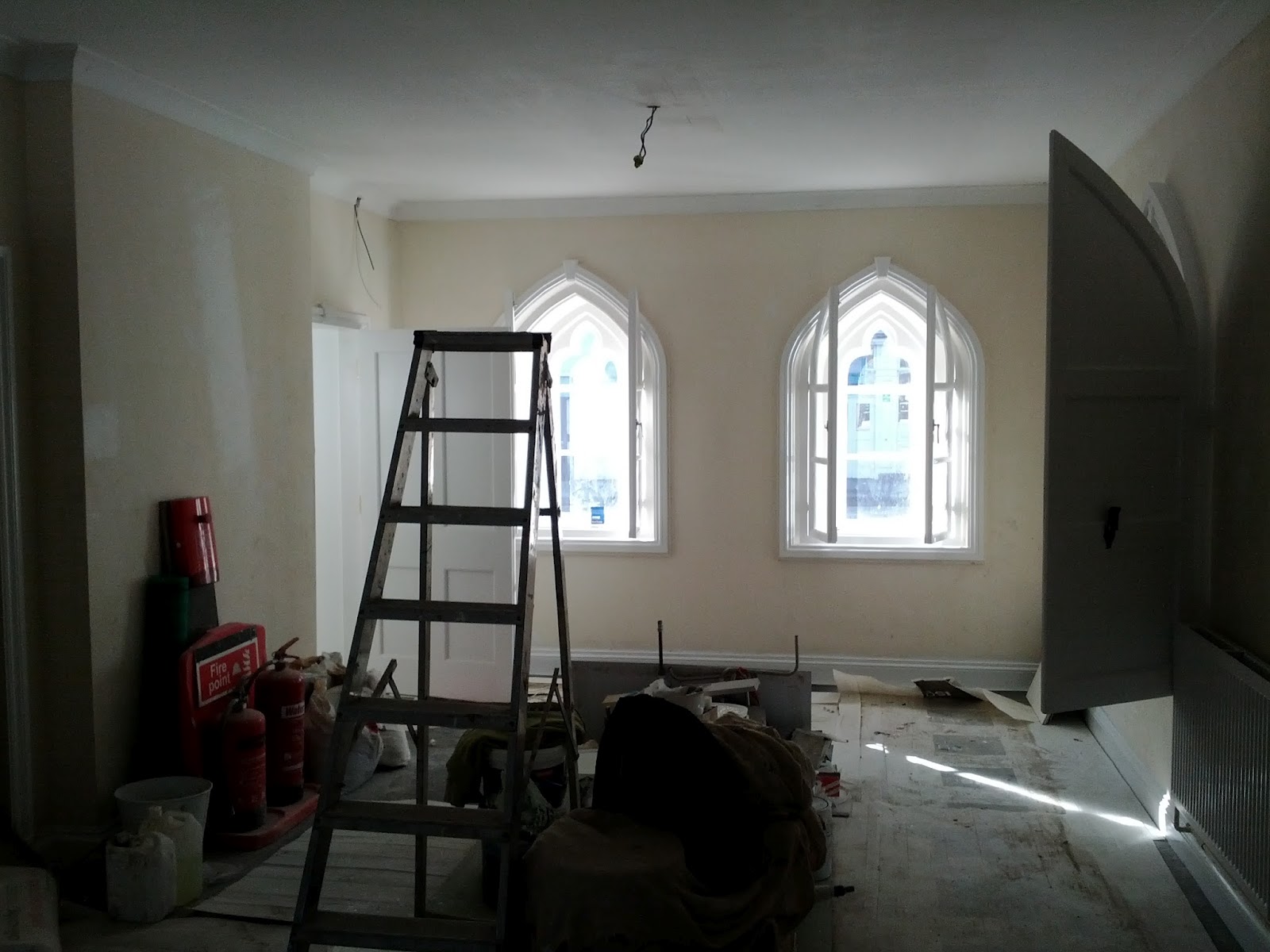


Saturday 24th March - Tea Room Dressing


Tuesday 27th March - Staff Induction and Soft Opening


Friday 30th March - GRAND OPENING


On the morning of Friday 30th March 2012, I was busy setting out the outside seating on our beautiful terrace and a random runner came past and shouted "Bake Free Brother!".
This was one of the most moving things during the opening. I still don't know who that was but thank you, it was brilliant. The good news is, I feel free... I am free.
Come in soon and say hello.
More photos and story to follow soon.
David & team


